
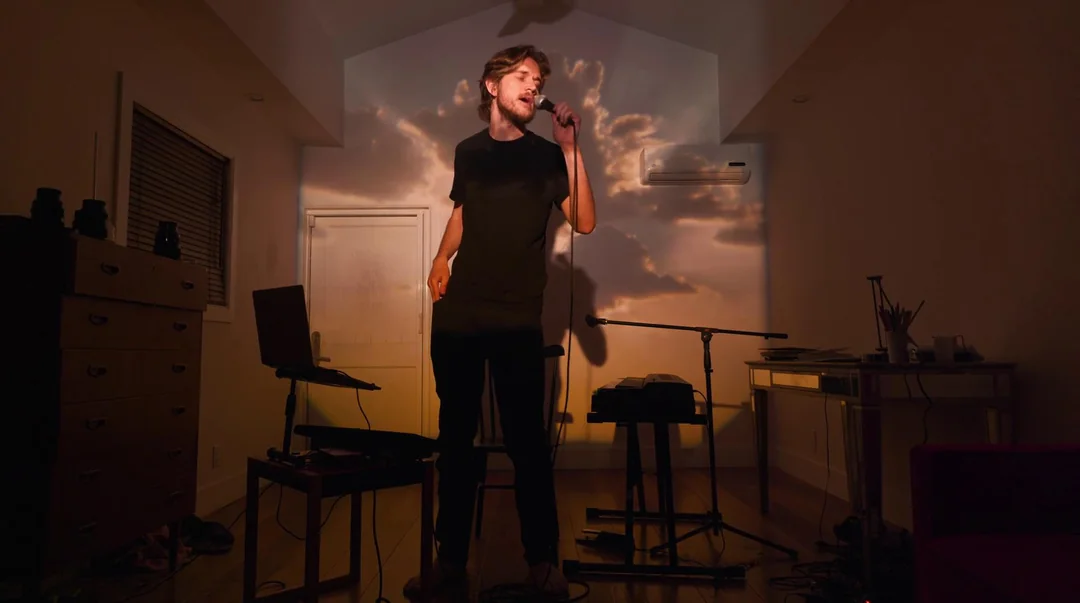
Caption: Bo Burnham, Inside, film still, 2021. Image courtesy: Netflix
In the thick of the global pandemic in 2021, Bo Burnham released Inside, a claustrophobic and incisive self-portrait of digital existence. Composed, filmed and edited entirely within a single room, the Netflix film oscillated between sardonic wit and psychological unravelling. It reflected a world where the boundary between the screen and the self had all but disintegrated. Burnham, bathed in the glow of RGB lights, offered a poignant refrain: “a little bit of everything all of the time.” What began as a performance rapidly gave way to something more elemental. The internet was no longer a medium. It had become a condition.
This condition poses an intriguing dilemma for both artists and their audience. In constructing digital works, are we creating legacies that will endure beyond us? Or is this just adding to an endless stream of data, curated by algorithms and forgotten in the next scroll? We have inadvertently all become archivists of our own presence. But unlike an artwork that exists in the physicality of space, our legacy online appears, dare we say, ephemeral. Always subject to distant servers in faraway lands or existing in a perpetual cloud state. But every medium has its charm.
Archiving absence
When artist and (self-titled) bio-hacker Dr. Heather Dewey-Hagborg reconstructed portrait sculptures from discarded DNA in her Stranger Visions series; she illuminated the intrusive potential of data. Objects that we often do not give a second thought, like discarded hair, cigarette butts or chewed gum, have the capacity to outlast our individual lives. Her work interrogates the ethics of digital permanence and bodily representation.
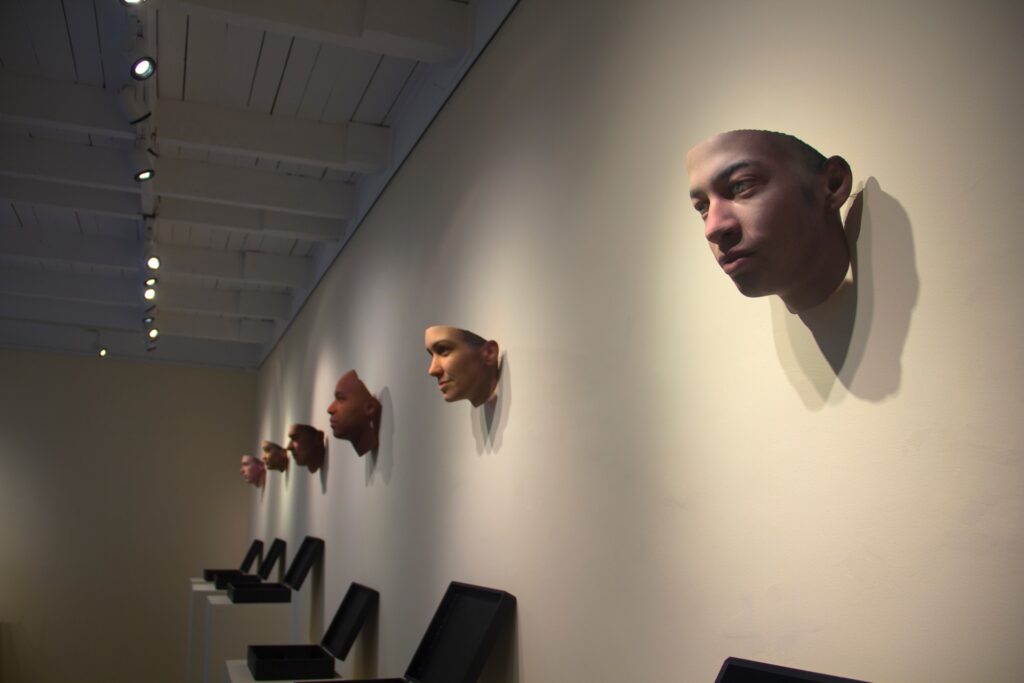
Caption: Dr. Heather Dewey-Hagborg, Installation at Saint-Gaudens National Historic Site of facial sculptures generated by genetic code, 3D printed sculpture, 2014, Image courtesy Artist. https://deweyhagborg.com/projects/stranger-visions
Indian artist Baaraan Ijlal approaches this conundrum through a lens of testimony and erasure. Change Room, first conceived in 2018 at the Conflictorium in Ahmedabad, has since travelled across cities and borders. At each site, the installation invites participants to speak their truths, often long-silenced, into a shared auditory archive. These ephemeral, disembodied voices resist digital permanence while confronting the ethical complexities of anonymity, consent and representation. In its transitory form, Change Room becomes a sanctuary for erased narratives, continually reshaping the boundaries of voice, space and visibility.
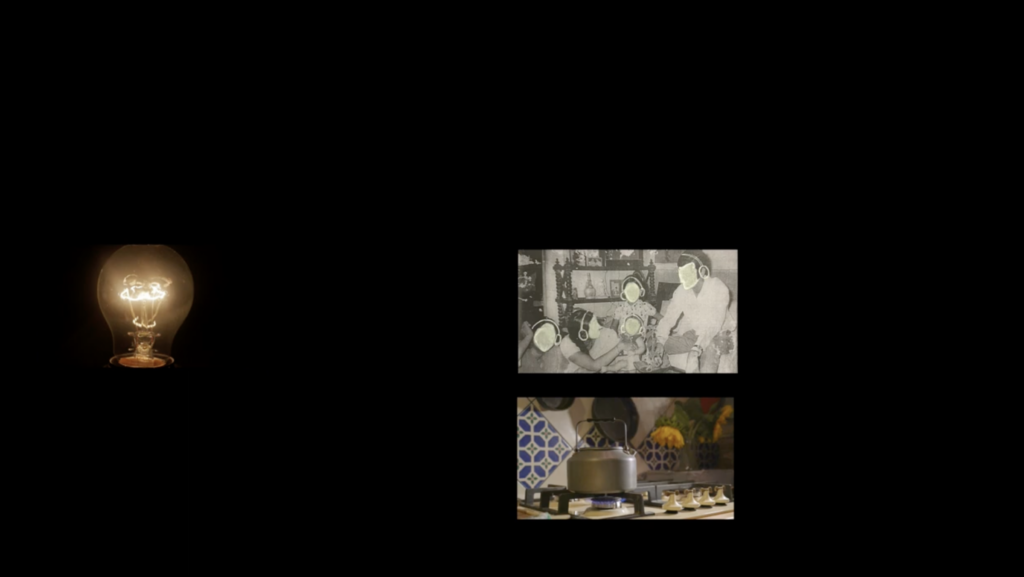
Caption: Baaraan Ijlal (Khoj), Exhibition video for project, Change Room, Archives at Threading the Horizon, 2022. Video by Mir Ijlaal Shaani. www.youtube.com/watch?v=ljncsOoTj50
Such practices highlight a central paradox of the digital archive. A website may vanish when a domain expires. Yet an artwork shared through peer-to-peer networks or open-source platforms can reappear years later, animated by new contexts and audiences. The internet, in this regard, behaves less like a museum and more like an archaeological field. Its artefacts are fragmented, resurfacing unpredictably.
The Mirage of Permanence and Perception
The advent of blockchain technologies has introduced a new vocabulary to the discourse of legacy. When Beeple’s Everydays: The First 5000 Days sold for $69 million as a non-fungible token (NFT) at Christie’s, it was perceived as a watershed moment. The NFT functioned not only as a certificate of ownership but as an immutable ledger of provenance.
Yet this perception of permanence remains largely speculative. Servers degrade, platforms become obsolete and hyperlinks suffer from what archivists now term “link rot.” Bengaluru-based artist Raghava KK addresses these complexities through collaborations with artificial intelligence. In one notable project, he used brainwave data collected during intimate experiences to generate digital artworks, later minted as NFTs. Collaborating with neuroscientists and AI artists, he translated these emotional states into unique visual expressions. This pioneering phygital explores how AI can interpret and even generate intimate human expressions. Beyond the artistic innovation, it also addresses ethical questions about digitising personal experiences.
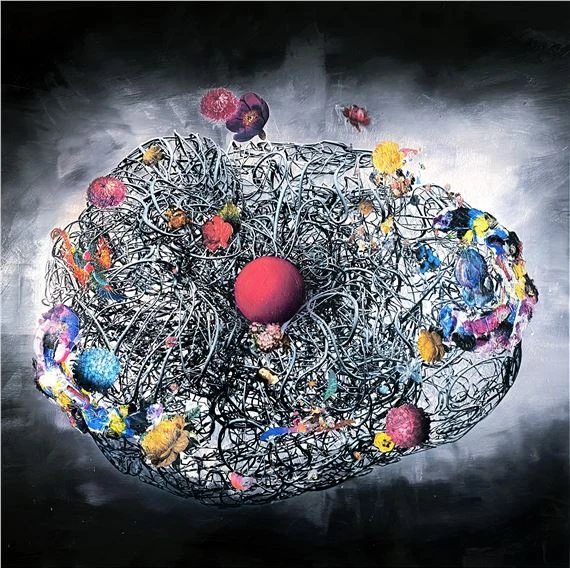
Caption: Raghava KK, La petit mort, Phygital NFT accompanied by oil on canvas, 2021. Image courtesy: Mutual Art. www.mutualart.com/Artwork/La-petite-mort–from-The-Orgasm-Project-/6736A8391FA06ECD
Digital artist Addie Wagenknecht explored similar territory. For a project commissioned by the Museum of Moving Image in New York City, Wagenknecht documented her experience navigating countless video chat rooms. She quickly moved from one chat to the next, specifically searching for another woman. This process, unfolding over mere seconds for each encounter, powerfully highlighted the unsettling gender imbalance and inherent strangeness of online interactions. Wagenknecht was consistently presented with a parade of men, some in bed, some in just a towel, others in military uniform with only an occasional empty room breaking the monotonous stream.
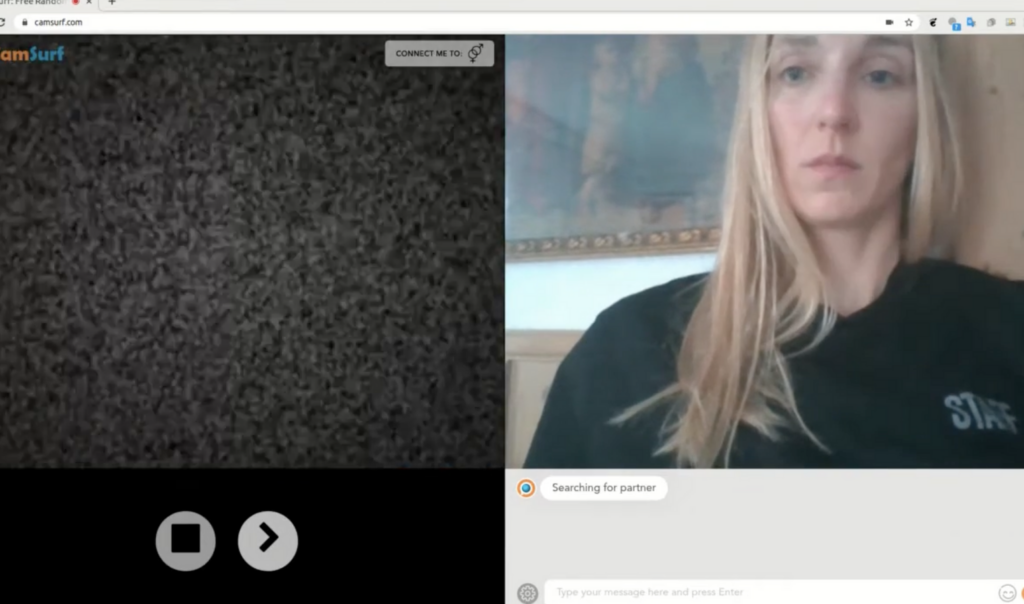
Caption: Addie Wagenknecht, Neutralized Memories, video, 2023–2024. Image courtesy artist. www.placesiveneverbeen.com
The Digital Self
Can you separate the art from the artist? In the digital age, not so much. The artist’s persona and art becomes inseparable, even more so than a physical work of art. The self is distributed across platforms, encoded into content and reconstituted through engagement metrics. Visibility is no longer mediated by institutions but by the algorithmic logic of social media and search engines.
But behind a screen, identities often find a space to exist. Collectives such as Queer.Archive.Work and numerous marginalised artists have turned to decentralised platforms to create and share work that institutional frameworks often ignore. Their practices challenge conventional archival paradigms by foregrounding accessibility and impermanence as virtues rather than flaws.
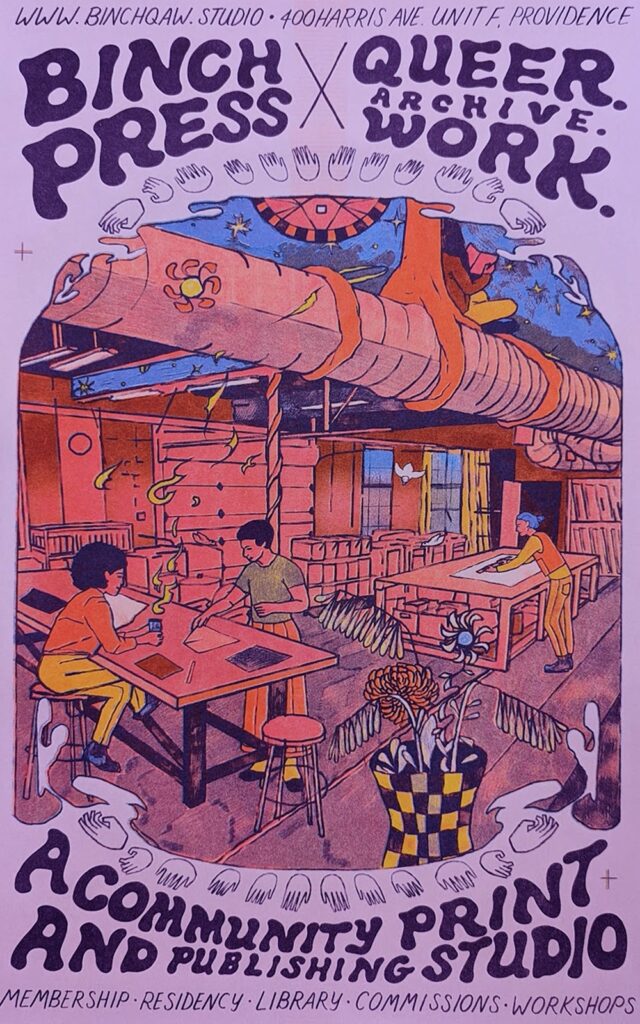
Caption: Queer.Archive.Work, poster for a decentralised publishing platform, digital. Image courtesy: QAW. www.queer.archive.work/about/index.html
Afterimages
Digital art offers no guarantee of permanence. It is vulnerable to obsolescence, reliant on infrastructural upkeep and susceptible to the caprices of technological change. Yet within this instability lies a unique proposition: the possibility of leaving behind not static monuments, but responsive systems, mutable archives and dispersed traces of thought and intention.
Our digital residues like metadata, logs, versions and mirrors may not endure in perpetuity, but they form a constellation of presences that outlast physical authorship. Perhaps, in the end, it is not permanence that matters most, but recurrence: the capacity of a work to resurface, to be reinterpreted, to echo unexpectedly in the digital ether. Bo Burnham’s Inside may one day disappear from Netflix. But fragments will remain in screen captures, audio samples, a lyric half-remembered. Like most art, the digital might just prevail as an expression of a forget-me-not. An instantaneous time capsule or a temporal condition of memory.
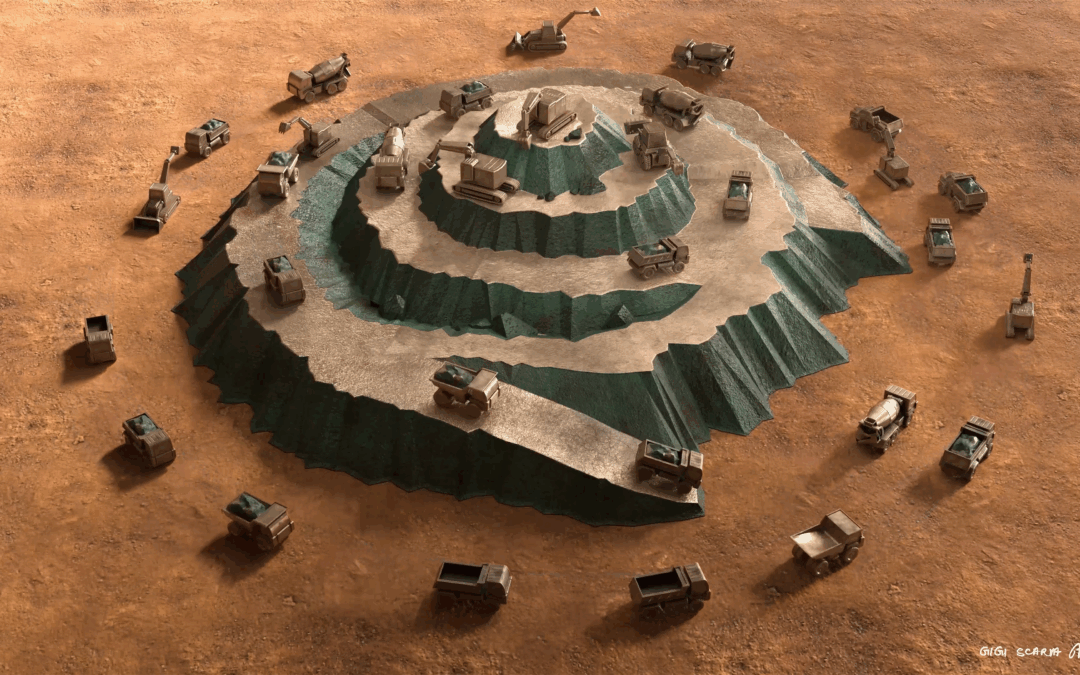
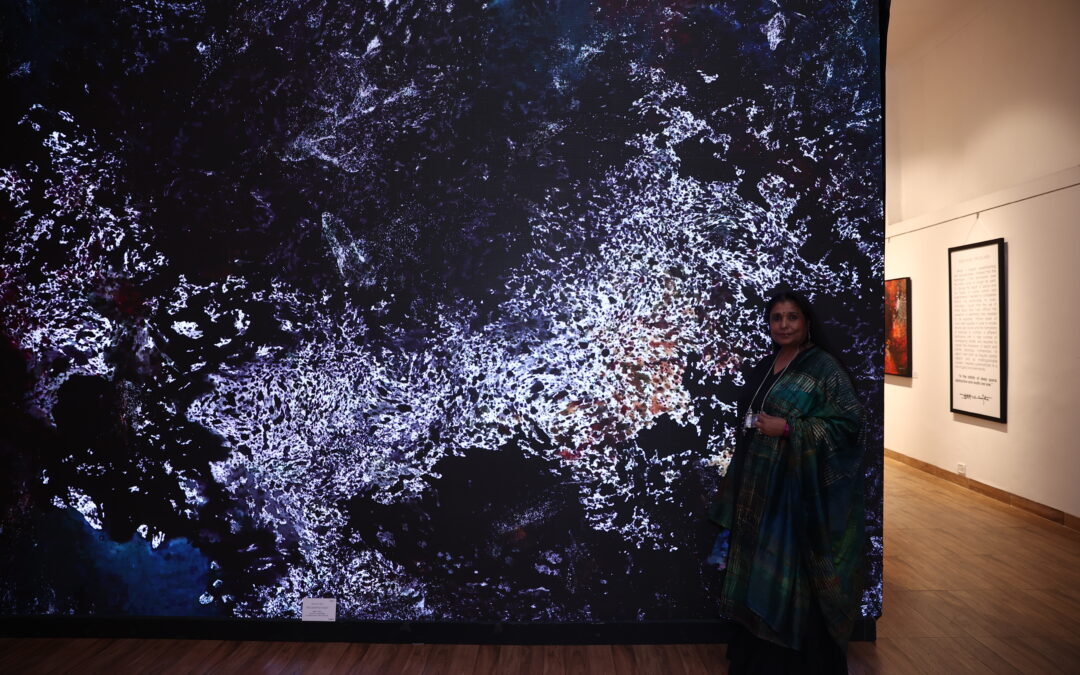
Platforms like NewArtX are leaning into this reality. As a curated digital fine art platform, they provide essential infrastructure and technical assistance for artists to create and circulate digital works. The artists in their fold reflect the multiplicity and momentum of the digital turn of our times. For instance, renowned artist Gigi Scaria, whose work explores urban landscapes and the intensity of displacement, collaborated with NewArtX to translate the complexity of his narratives into digital realities. The platform has also worked with other established names, including Jagannath Panda, Chippa Sudhakar among many others Through this growing archive, NewArtX offers an alternate approach to the ephemerality we often associate with the digital world.
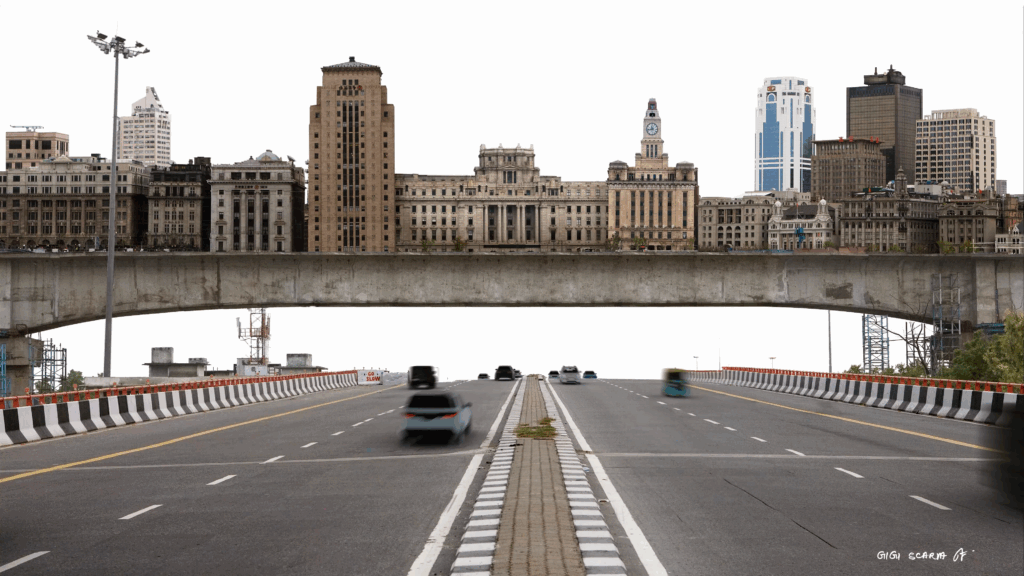
Caption: Gigi Scaria, Face to Face (Still), Digital Fine Art, 2024. Image courtesy https://www.newartx.com

0 Comments